
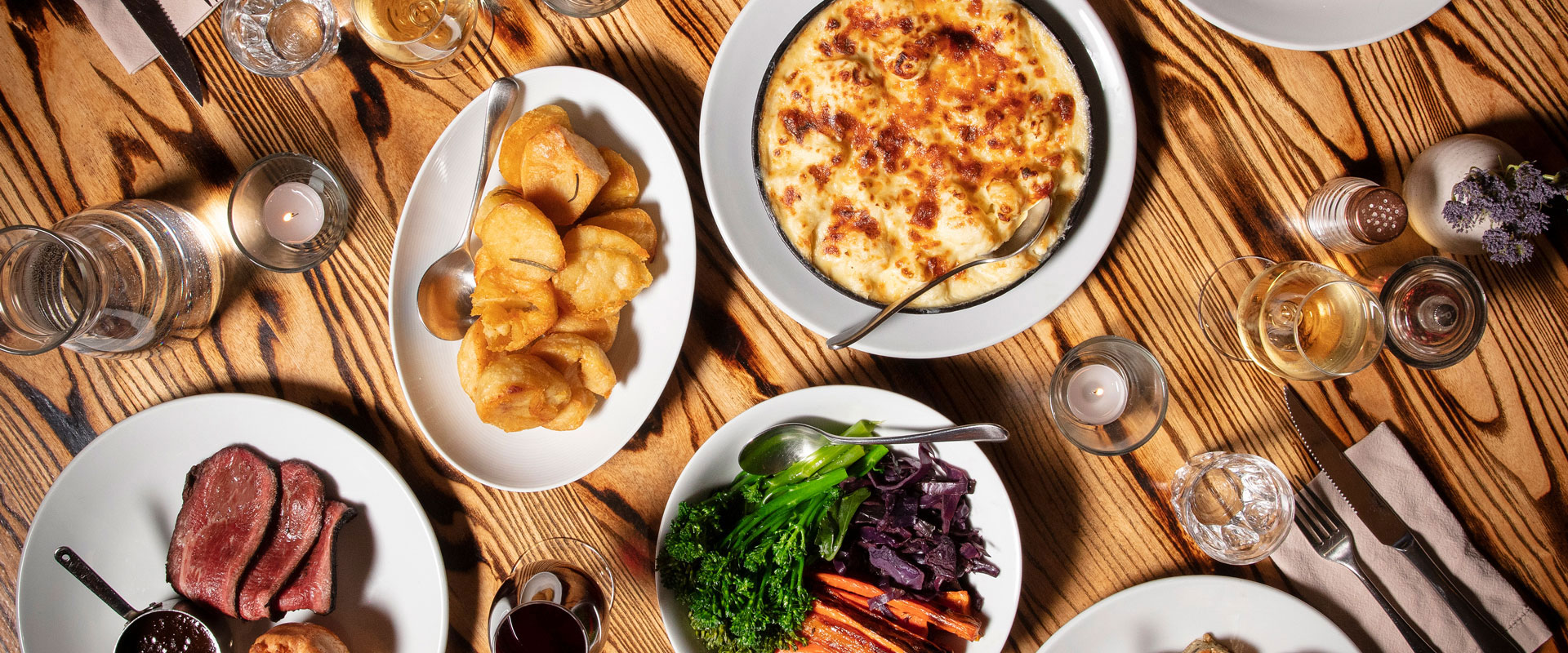
What is a Sunday Roast?
Call it Sunday Lunch, a Roast Dinner or a Sunday Roast; there are so many terms for the perfect culinary alchemy of meats, potatoes, veg and, of course, gravy. One thing we all agree on is that it’s far more than just a large midday meal. It’s also a weekly tradition that brings families and friends together across the nation.
While the concept might seem simple to outsiders, the elements of this classic dish are fiercely debated. Everyone has an opinion on how to achieve the perfect crispiness on a potato or whether a particular sauce belongs on the plate. In this guide, we will explore the history, the essential components, and the cultural significance of this beloved culinary institution.
Is a Sunday Roast still Important in the UK?
The Sunday roast remains an absolute cornerstone of modern British culture. No matter which corner of the UK you visit, you will find households and pubs dedicated to serving this feast every single week. It’s a tradition that spans generations, uniting people over a shared love for hearty comfort food and relaxed weekend vibes.
The origins of the roast dinner stretch back centuries, rooted in Britain’s industrial and religious history. Historically, churchgoers would fast before the Sunday morning service and then return home to a substantial meal. During the Industrial Revolution, many workers didn’t have their own ovens and as the bakers wouldn’t bake bread on Sundays to observe the Sabbath, families would drop off their joints & potatoes on the way to church and pick them up after.
Today, the tradition has evolved from a purely domestic ritual into a massive part of the British hospitality industry. Pubs and restaurants across the country book out Sunday slots well in advance, especially on the likes of Mother’s Day or Easter Sunday. It can just be a relaxed way to treat yourself before the beginning of the next working week.
What is a traditional Sunday roast?
A traditional version of this meal consists of roasted meat, potatoes, vegetables and a generous pouring of gravy. The magic lies in the slow cooking process, which allows the natural flavours of the ingredients to develop and mature fully. Historically, this was the one day of the week when families would splurge on a high-quality cut of meat from the local butcher.
While beef is often considered the ultimate choice, a traditional serving can feature several other proteins: Tender leg of lamb, crispy roast pork or succulent roast chicken are all equally revered classics. There are even some who consider a whole fish (link to the seafood page when built) to be a Sunday staple.
Each meat also has an accompanying condiment. Is it really roast pork without apple sauce? For many, lamb should always be paired with mint sauce, chicken with redcurrant jelly and beef with fiery horseradish. Of course, if you want to experiment by mixing and matching the above, some might consider it controversial, but we should always be open to experimentation.
What is a full Sunday roast?
If you want the ultimate experience, you need to look for a full version that includes absolutely all the extra elements. A full plate goes far beyond the basic meat and three veg, with the addition of other side dishes, regional specialities and an abundance of trimmings.
You can expect to find golden stuffing balls, crackling, cauliflower cheese, perhaps even pigs in blankets if you are feeling particularly festive. It is an indulgent celebration of British produce, designed to be eaten slowly over the course of a lazy afternoon.
Achieving a full version requires careful planning and timing in the kitchen, as multiple elements must finish cooking simultaneously. When everything comes together correctly, the combination of textures and flavours is genuinely unmatched by any other meal. It is this abundance of choice and variety that makes the full experience so deeply satisfying for food lovers.
The rise of the Yorkshire pudding
There’s one side we didn’t mention above because it deserves its own focus. Created as a cheap way to fill stomachs before the expensive meat was served, the Yorkshire pudding has become a Sunday roast staple.
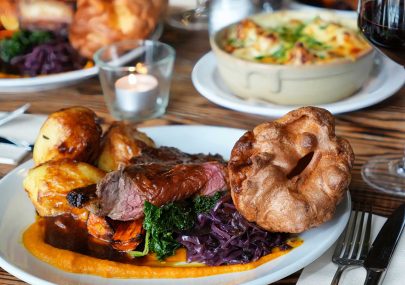
Combining eggs, flour, milk and sometimes meat juices, these puddings rise dramatically in a hot oven. The result is a crisp, airy vessel that acts as the perfect bowl for holding extra pools of gravy.
While historically paired exclusively with roast beef, today, you will frequently see these fluffy creations served alongside chicken, pork, lamb and even vegetarian alternatives. They add a wonderful lightness to the plate, offering a completely different texture to the dense meats and root veg.
A truly magnificent pudding should stand tall and proud on the plate. It should be crisp and golden on the edges but retain a soft, custardy base and airy interior that absorbs flavours beautifully.
The art of the perfect roast potato
No discussion of this iconic British meal would be complete without dedicating time to the humble roast potato. Achieving this perfect texture, crunchy on the outside, fluffy on the inside, can’t be rushed. Typically, the potatoes are first parboiled before being shaken vigorously and transferred to a tray of hot oil or fat. This clever technique creates extra surface area, catching the oil and creating an extra crispy outside.
The choice of cooking fat is another hot topic of conversation among enthusiasts and professional cooks alike. While vegetable oil works perfectly fine, many purists insist on using goose fat or beef dripping for maximum depth of flavour. Whichever method is used, roast potatoes rarely stick around long enough on the plate for this to be debated.
With Meat, there also comes Veg.
Vegetables are much more than a healthy afterthought on this plate, playing a vital role in balancing the heavy flavours. Traditional choices usually reflect the British seasons, featuring a mixture of earthy root vegetables and vibrant, fresh green varieties. Carrots and parsnips are often roasted alongside the potatoes, developing a sweet caramelised edge.
In the colder months, you will often find hearty greens like savoy cabbage, curly kale, and roasted Brussels sprouts. As spring arrives, these give way to lighter options such as tender purple sprouting broccoli and sweet garden peas. This seasonal variation ensures that the meal always feels relevant to the time of year, celebrating the best local produce.
In recent years, cauliflower cheese has secured a permanent spot on many plates across the UK, adding a luxurious creaminess. This rich, cheesy bake provides a wonderful contrast to the sharp sauces and savoury gravy found elsewhere on the dish. It highlights how the tradition continues to grow, absorbing new favourite elements while keeping its historic core intact.
Is it a Sunday Roast Without Gravy?
If the various components of the meal are musicians, then gravy is undoubtedly the conductor that brings them together. A proper British gravy is a world away from thin, watery sauces, boasting a thick consistency and a deep colour. It’s often made using the pan juices left behind by the roasting meat, capturing every drop of flavour.
The process of making gravy involves deglazing the roasting tin with stock, scraping up all the delicious stuck-on bits. This liquid is then simmered gently and thickened until it coats the back of a spoon in a glossy layer. It provides essential moisture to the plate, tying everything together deliciously.
Diners take their gravy preferences very seriously, with some preferring a drizzle and others demanding a drowning. For this reason, the gravy jug is, in many ways, the centrepiece of the table itself, allowing everyone to make the meal their own.
Modern twists and vegetarian alternatives
As dietary habits have shifted over the years, the classic weekend tradition has adapted to ensure nobody is left out. Excellent vegetarian and vegan options are now standard across most pubs and restaurants, such as our Celeriac Steak, a vibrant root veg main that pairs perfectly with gravy.
Other popular options include mushroom Wellingtons, beetroot tarts, nut roasts and succulent squash dishes. These alternatives are treated with the same care and attention as the meat, ensuring a truly premium dining experience, alongside all the accompanying trimmings.
The definition of the meal has expanded to celebrate creativity while still respecting the core elements that people love. Whether you choose a classic cut of beef or a contemporary plant-based alternative, the spirit of the occasion remains identical.
Have Your Next Sunday Roast at Harbour House
This iconic meal is a celebration of comfort, tradition, and British hospitality that everyone should experience. It provides the perfect excuse to gather your favourite people around a table for hours of relaxed conversation and indulgence. Whether you are a lifelong fan or a curious visitor, a proper weekend feast is an experience that stays with you long after the final drop of gravy is gone.
Our own kitchen takes immense pride in sourcing the finest local ingredients to create an unforgettable dining experience. Why not book a table this coming weekend and find out for yourself why we think we do the best Sunday roast in Bristol?
Leave a Reply