
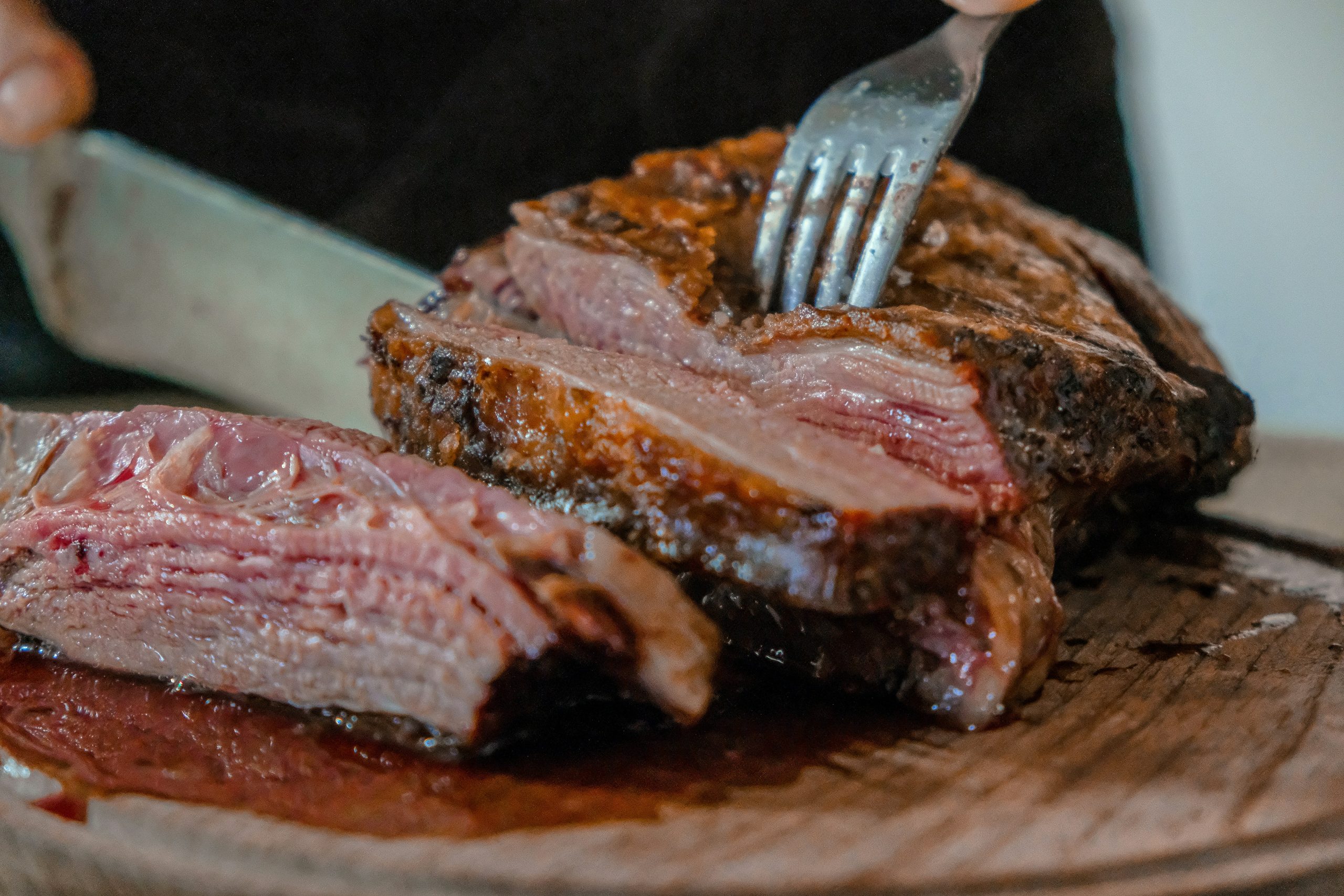
What Cut of Beef is Best in a Sunday Roast?
For many of us in the UK, it’s not Sunday without a Sunday Roast. Some would even go as fr as to say it’s not Sunday Lunch without beef. Few things evoke treasured food memories like a Yorkshire pudding filled with gravy or a mountain of roast potatoes. But picking the right joint can make your meal a true feast or leave it tough and disappointing.
Butchers look at tenderness, fat and flavour when choosing the best beef for roasting. Each joint needs its own cooking method to taste its best.
Learning about these cuts helps home cooks pick the right one for any meal or budget. If at any point during this guide, you get a craving for roast beef, why not book a table at Harbour House for this Sunday?
Rib of Beef: Unmatched Flavour
Beef rib, not to be confused with a rack of ribs, is a top choice for making the Sunday roast feel like an occasion. It comes from the upper front part of the cow and has lots of marbling, a term for the fat inside the meat. As it cooks, this fat melts and keeps the meat juicy and flavourful.
Roasting a rib of beef on the bone helps it cook evenly and makes great gravy. Start with high heat to get a caramelised crust, then lower the temperature to finish roasting. A three-rib joint looks impressive and gives you tender, juicy slices with lots of beef flavour.
Why Sirloin and Fillet are renowned classics
Sirloin is a great choice because it’s tender and easy to carve. It comes from along the spine, where the muscle does less work, making it soft and with a good layer of outside fat. It’s a perfect pick for a balanced meal, neither too rich as to overwhelm nor too light as to be overshadowed by the sides.
Fillet is the leanest and most tender cut from the tenderloin. Since it doesn’t have much fat, it has become the preferred choice for Wellingtons, adding layers of prosciutto, spinach, mushroom duxelles, or even crepes to add moisture, seal and depth of flavour.
Deep Flavours from the Rump
The rump cap delivers remarkable beef character without requiring hours of slow cooking. Cut from the top of the rump section, this joint features a distinctive layer of thick top fat. Roasting rump cap at high heat quickly renders that top fat layer downward, basting the muscle.
This cut has a bold beef flavour that’s as good as pricier joints. Let it rest after cooking so the centre stays tender. Slice it thinly across the grain for the best texture. For this reason, it’s also excellent the following day for sandwiches.
The Best Cuts of Beef on a Budget
Topside and silverside are considered great cuts for feeding a group if you’ve not got the money for a premium like sirloin. These lean cuts come from the back of the cow and have little fat or connective tissue.
They’re more affordable but still can produce a classic roast beef taste. To prevent the meat from drying out, you should regularly baste the joint with pan juices. You could also wrap it in bacon to guard against moisture loss.
Slow roasting topside at lower temperatures ensures thin slices remain surprisingly tender and flavourful.
Brisket & Chuck: Roasting with Slow Heat
Brisket and chuck shoulder are best when cooked slowly over a long time. These cuts have more connective tissue and collagen. Gentle, steady heat turns the collagen into soft gelatin, making the meat very tender.
Chuck shoulder has a bit more marbling than brisket, so it’s great for braising. It’s perfect for making a rich beef stew, a classic alternative to the Sunday Roast with all the flavours you could want.
The cooking liquid soaks up lots of beef flavour and keeps the meat juicy. Both cuts make tender, shreddable roasts that are perfect for cosy winter meals.
Expert Tips for Achieving Roast Beef Perfection
Getting a great roast depends on how you prepare it and on the cut you choose. Let your beef sit at room temperature for an hour before cooking so it cooks evenly. After roasting, let it rest for at least 20 minutes so it stays juicy.
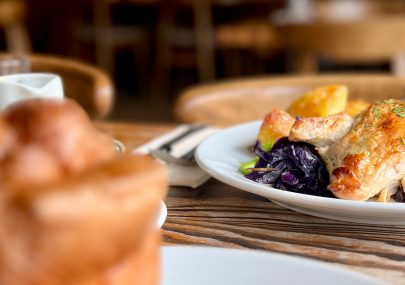
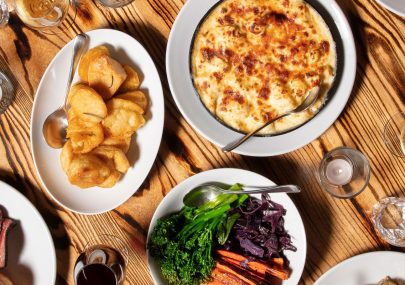
Pairing your meat with quality ingredients improves the whole dining experience. Serving your roast with good sides makes the meal even better. Our guide to the perfect Sunday roast is a great place to start for roasting the spuds, pairing everything with rich cauliflower cheese and adding delicious root veg on the side.
Using local ingredients also means everything tastes fresher. Local butchers drastically improve cooked results. High-quality British beef benefits from proper dry-ageing, which concentrates natural flavours and breaks down muscle fibres naturally. Good butchers provide bespoke guidance regarding weight, joint selection and resting times.
Our own kitchen partners directly with renowned local suppliers. In our kitchen, we work with Ruby & White, a well-known local supplier, to choose West Country beef.
We highlight southwest ingredients on our menu to make sure every cut meets high standards. Supporting local farmers also means better taste and texture.
The Best Roast Beef in Bristol?
Choosing the best beef for a roast isn’t just about the cut itself but how well it pairs with the rest of the plate. Your traditional Sunday roast pairs best with a rich roasting joint or a refined fillet, while a more modern meal might be better accompanied by tender brisket.
Whether you like rib, fillet or topside, good preparation will make your meal special. If you would rather let someone else do the cooking, Harbour House is a great choice by the water.
Our Sunday roast menu features premium Dry-aged Beef Striploin and rich Beef Wellington. Book a table to enjoy the best West Country beef with all the classic sides.
Leave a Reply