
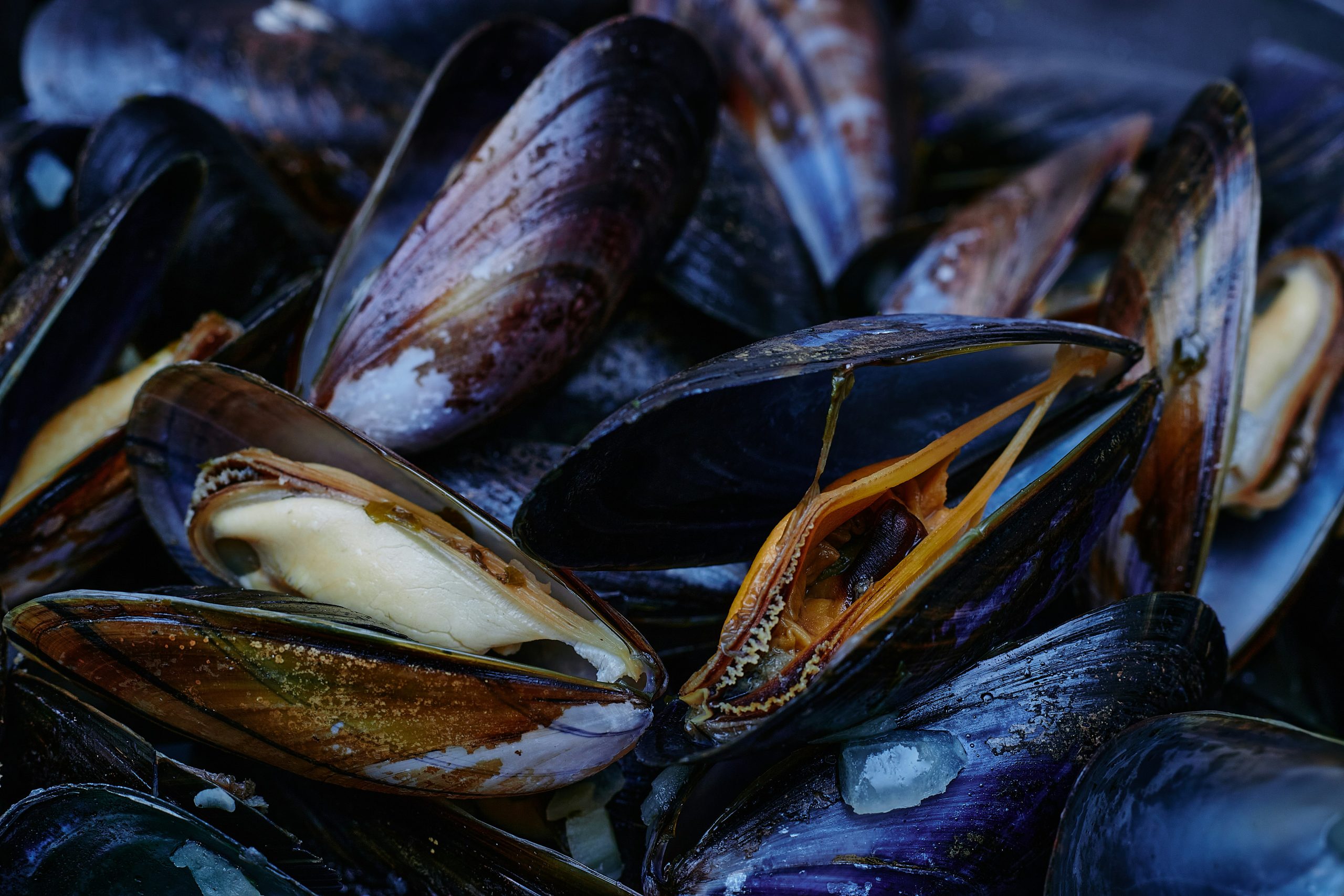
Are Mussels Good For You?
Chefs appreciate mussels for their rich flavour, but these shellfish are also full of nutrients. Many people pick salmon or cod, yet mussels are among the most nutrient-dense seafood available. Whether you like them in a white wine sauce or on a seafood platter, mussels offer more than just great taste. This guide covers their main health benefits, nutritional value and how they compare to other popular seafood.
Is Eating Mussels Good for You?
Mussels are packed with lean protein, omega-3 fatty acids and key micronutrients, making them as healthy a choice as they are delicious. A typical serving provides plenty of vitamin B12, which keeps your nerves healthy and supports your energy. Mussels also contain zinc and selenium, which help your immune system and protect your cells.
Mussels are also a great source of heme iron, which your body absorbs easily. This keeps your red blood cells healthy and can help prevent tiredness or anaemia. The amino acids and omega-3s in mussels may also support your joints by reducing inflammation. Since they are low in calories, mussels are a smart choice for a healthy, balanced diet.
What are the Healthiest Seafood?
Fish like mackerel and salmon are known for their healthy fats, but mussels are also one of the healthiest seafood options. They have as much protein as lean white fish and as many omega-3s as oily fish. Unlike bigger fish, mussels do not build up high levels of heavy metals like mercury.
Mussels are filter feeders, so they stay clean, lean and very nutritious, making them a great choice for regular meals. Enjoying them fresh at a trusted seafood restaurant is an easy and enjoyable way to support your health.
How Many Mussels Can I Eat a Day?
A typical adult serving of cooked mussels is about 150g to 250g of meat. As they’re low in saturated fats and high in protein, they’re a good option to integrate into a seafood-friendly diet. Eating fish or seafood like mussels more than once a week can help balance out your body’s demand for minerals.
For this reason, it’s also wise not to have mussels more than once or twice a week. As they’re high in minerals like iron and zinc, they can cause stomach issues in too high a quantity. People with gout or high uric acid should limit how much shellfish they eat, since mussels contain purines. Eating a balanced portion gives you the benefits without overdoing it.
Are Tinned and Pickled Mussels Good for You?
Tinned and pickled mussels are convenient ways to enjoy shellfish and still get most of the protein and minerals. Tinned mussels in water or olive oil keep their omega-3s and have a long shelf life. They are great for adding to salads, pasta or quick lunches at home.
Pickled mussels also contain useful vitamins, but the liquid they are stored in can add extra salt or vinegar. Fresh mussels have the best taste and texture, but preserved ones are still nutritious when included in a balanced diet.
Why Don’t We Eat Mussels Raw?
Wild mussels filter seawater for nutrients, so they can sometimes pick up harmful bacteria or microalgae. Without cooking, these bacteria can develop and fester where cooking should kill them off.
Cooking mussels with high heat softens their flesh, giving them the plump, tender texture people enjoy. Unlike oysters, which are sometimes eaten raw, mussels are always best when they are hot, freshly steamed, and fully cooked.
What Part of a Mussel Don’t You Eat?
When you eat cooked mussels, the entire soft part inside the shell is edible and nutritious. You should only avoid the hard shell and the fibrous beard, known as the byssus thread.
Proper kitchen preparation removes these tough threads before cooking. If you find a mussel shell that stays closed after steaming, it’s best to leave it instead of trying to open and eat it.
When Shouldn’t You Eat Mussels?
If you have a shellfish allergy or are sensitive to marine molluscs, you should avoid eating mussels. It’s also best to avoid mussels caught during toxic algae blooms, called red tides. Buying seafood from trusted suppliers or restaurants helps ensure it’s safe to eat.
If you have liver disease, diabetes, or a compromised immune system, you face serious infection risks from bacteria like Vibrio if you eat undercooked seafood. Those with hemochromatosis (Iron Overload Disorder) must avoid high-iron foods like mussels to prevent organ damage. People with kidney disease or high blood pressure need to monitor the natural sodium content.
People with weak immune systems or certain health conditions should always make sure their shellfish is fully cooked before eating.
Enjoy Fresh Seafood at Harbour House
Mussels offer great flavour, sustainable harvesting and excellent health benefits for seafood lovers. Adding these nutrient-rich shellfish to your meals is a tasty way to get lean protein and important minerals.
At Harbour House, we use fresh, high-quality ingredients to give you a memorable meal by the water. Visit us to try our menu, including our gorgeous West-Country Mussels, served with crusty bread and a flavourful broth, and enjoy the best local seafood. Contact our team to book your table.

Pingback: What to Serve with Mussels - Harbour House Bristol | Waterfront Restaurant, Bar & Terrace
24/09/2026