
Everything You’ve Ever Wanted to Know about Oysters
Oysters are among the world’s most decadent seafoods, but many people haven’t tried them yet. Their tough shells and the idea of eating them raw can feel intimidating if you’re new to them. Once you know what to expect, though, oysters are actually simple and very enjoyable to eat.
This guide will answer common questions about oysters, including what they taste like and how to eat them. We’ll also show you how to cook oysters at home and explain why they’re one of the healthiest seafood options.
What Are Oysters?
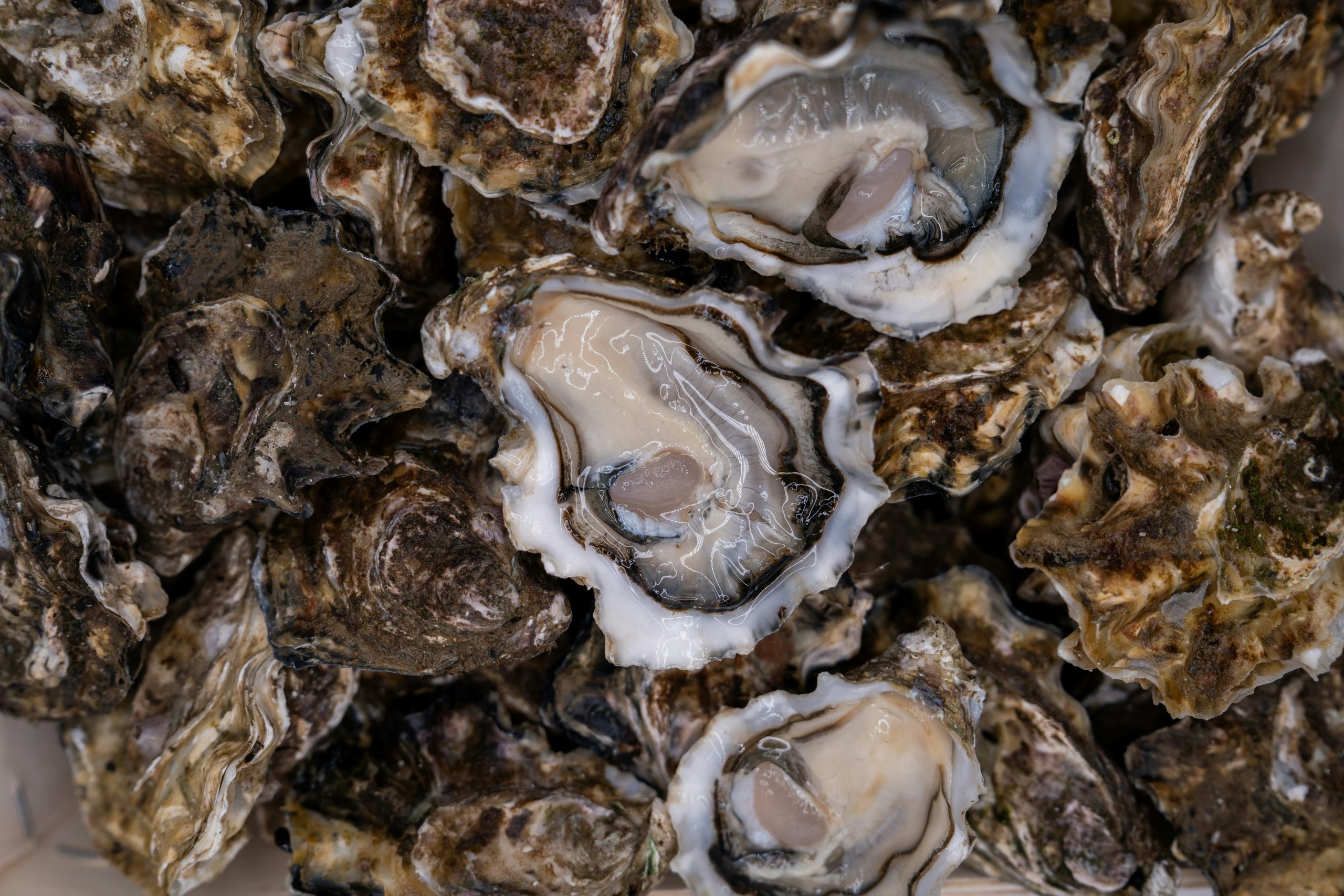
Oysters are bivalve molluscs, meaning they live in a shell with two halves joined by a strong muscle. They belong to the same family as mussels and clams, and grow in shallow coastal waters and estuaries. Oysters feed by filtering plankton from the water, which helps keep their environment clean.
In the UK, people mainly eat two types of oysters: the native oyster and the Pacific oyster, also known as the rock oyster. Native oysters have a flat, round shell and are less common, while rock oysters have a deeper shell and are farmed year-round. We think that around November is peak Oyster season across the UK.
What Do Oysters Taste Like?
Most people first notice the salty, fresh taste of the sea when eating an oyster. After the saltiness, a gentle sweetness and mineral flavour lingers after you swallow. Oysters have a soft, smooth texture, with a bit more firmness in colder months.
Like wine, oysters reflect the character of the water where they grow, a quality experts call ‘merroir’. Oysters from the open coast usually taste saltier, while those from estuaries, where fresh and seawater mix, are milder. Native oysters have a strong, mineral flavour, while rock oysters taste creamier and cleaner.
Are Oysters Alive When You Eat Them?
Raw oysters stay alive until they are opened, which helps ensure they are as fresh as possible. Shucking breaks the muscle that keeps the shell closed, so the oyster dies shortly before it reaches your plate. This is why good restaurants shuck oysters only when you order, keeping them closed and cold until serving.
Oysters don’t have a brain and have only a basic nervous system, so many scientists think they probably don’t feel pain. This is also why some people who follow a plant-based diet choose to eat oysters.
How to Eat Oysters
Before eating, make sure the oyster is loose in its shell by inserting a small fork underneath. Add some lemon juice or a bit of mignonette, then hold the shell with the wide end facing you. Gently tip the oyster and its natural juices, called the liquor, into your mouth. Fresh oysters should smell clean and salty like the sea. If one smells bad or looks dry, don’t eat it.
Do You Chew Oysters?
Some people swallow oysters whole, but chewing them a few times brings out more flavour. Chewing lets you taste the sweet, creamy notes behind the saltiness, so you get the full experience. Two or three gentle bites are enough, then swallow and enjoy the lingering mineral taste.
Oyster Toppings and Mignonette Sauce
Mignonette is a classic French oyster sauce made with chopped shallots, red wine vinegar and black pepper. Its sharp taste balances the oyster’s richness and lets the sea flavour stand out. Other favourite toppings are fresh lemon, a bit of Tabasco or some grated horseradish for heat. At Harbour House, we serve Porthilly oysters with shallot and white wine vinegar, our own version of this classic pairing.
How to Cook Oysters
If you aren’t ready to eat oysters raw, cooked oysters are a great choice and still taste rich. Grilling is easy: top oysters in their half shells with garlic butter and breadcrumbs. Put them under a hot grill for three to four minutes, until the edges curl and the topping is golden.
Oysters Rockefeller is a well-known New Orleans dish, topped with green herbs, butter and breadcrumbs. In Britain, oysters were once used in steak and oyster pie, a filling dish from Victorian times. No matter how you cook them, keep oysters on the heat only briefly, as overcooking makes them tough.
Are Oysters Good for You?
Oysters are very nutritious and low in calories. A 100g serving of raw oysters has about 65 calories, plus good amounts of protein and omega-3. They are one of the best natural sources of zinc, which helps your immune system and healing. Oysters also have lots of vitamin B12, which supports your nervous system and helps make red blood cells.
A serving of oysters counts toward the two portions of fish and seafood recommended each week for a healthy diet. They are also low in fat, making them a light, healthy choice for a starter or to share.
Can You Eat Oysters While Pregnant?
The NHS recommends that pregnant women avoid raw shellfish, as it can have bacteria or toxins that may cause illness. Since oysters are often served raw, it is safest to avoid them until after your baby is born. Fully cooked shellfish is generally safe, but check with your midwife or GP first. Our guide about eating mussels while pregnant has more details on cooked shellfish safety.
Try Fresh Oysters at Harbour House
Oysters may seem intimidating at first, but they are easy to enjoy once you know what to expect. Whether you like them raw with mignonette or grilled with garlic butter, there is an oyster for everyone.
At our seafood restaurant in Bristol, we serve fresh Porthilly oysters from Cornwall along with a menu full of South West seafood. Book a table and see why oysters belong on your table, right here by Bristol’s Floating Harbour.

Leave a Reply