
Where did the Afternoon Tea Come From?
Afternoon tea seems so quintessentially British that it might seem like it’s been around forever, but the tradition is actually less than 200 years old. It all started when a hungry aristocrat wanted a snack. Its history stretches from country estate drawing rooms to Victorian tea shops and grand hotels.
In this guide, we’ll explore who invented afternoon tea, how it became popular and why people still love it today. If you’re new to the tradition, this is a great place to start.
Who Invented Afternoon Tea?
Anna Russell, the 7th Duchess of Bedford, is often credited with starting afternoon tea in the early 1840s. Back then, wealthy families ate lunch at midday and dinner much later, around eight in the evening. The story goes that the Duchess found the long gap difficult, so she began asking for tea, bread & butter and cake to be brought to her room.
What began as a private habit soon turned into a social event when she started inviting friends to join her in the afternoons. Anna was also a lady of the bedchamber to Queen Victoria, which helped the custom spread quickly among fashionable people. Some historians say afternoon tea existed before her, but she played a big part in making it a tradition.
How Did Tea Become So Popular in Britain?
Tea came to Britain long before the Duchess, becoming popular at court after Catherine of Braganza married Charles II in 1662. For many years, tea was a luxury because high taxes made it too expensive for most people. Wealthy families even kept their tea leaves locked away to stop servants from taking them.
As trade increased and taxes dropped, tea became more affordable and turned into an everyday drink for people all over Britain. By the time the Duchess began her afternoon teas, tea was already the nation’s favourite drink. Her idea just gave people a new time to enjoy it together.
How Afternoon Tea Spread Through Victorian Society
By the 1860s and 1870s, afternoon tea wasn’t only for the aristocracy; It became popular with the growing middle class. Hosts invited guests into the drawing room and served tea with all the expected accompaniments. These gatherings became a relaxed and affordable way to entertain friends. meal was served on low tables near armchairs, which is why it was sometimes called low tea. Working families, meanwhile, ate a heartier evening meal at the main table, which became known as high tea. The two names still cause plenty of confusion today, even though they began as completely different meals.
Was the Victoria Sponge Named After Queen Victoria?
The Victoria sponge is named after Queen Victoria, who’s said to have enjoyed a slice of sponge cake with her afternoon tea. This light cake, filled with jam and later cream, became a favourite at tea tables across the country. Today, it’s still one of the most popular cakes at traditional afternoon teas.
The Rise of Tea Rooms and Grand Hotels
In the late 19th century, afternoon tea changed again as tea rooms opened in towns and cities. Glasgow was first in the 1880s, with chains like Lyons opening tea shops across London in the 1890s. These places gave women a respectable way to meet friends in public without a chaperone, a major social change.
Grand hotels soon joined in, making afternoon tea an elegant event with string quartets, fine china, and excellent service. Dressing up for tea in a hotel lounge became a fashionable treat for those who could afford it. Many traditions we know today, like tiered stands and finger sandwiches, started during this time.
Afternoon Tea in the 20th Century
During the Second World War, Britain rationed tea starting in 1940, making it hard to enjoy big afternoon teas. Rationing lasted for years after the war, with people’s busy lives leaving less time for long tea parties. For a while, people saved afternoon tea for holidays and special occasions.
Why Afternoon Tea Is Still a British Favourite
In the past 20 years, afternoon tea has made a big comeback. Restaurants and hotels across the country now offer their own versions. Modern menus often include creative savouries, artisan pastries and sparkling wine, but keep the classic style. Afternoon tea is now a popular choice for birthdays, get-togethers, and all kinds of celebrations.
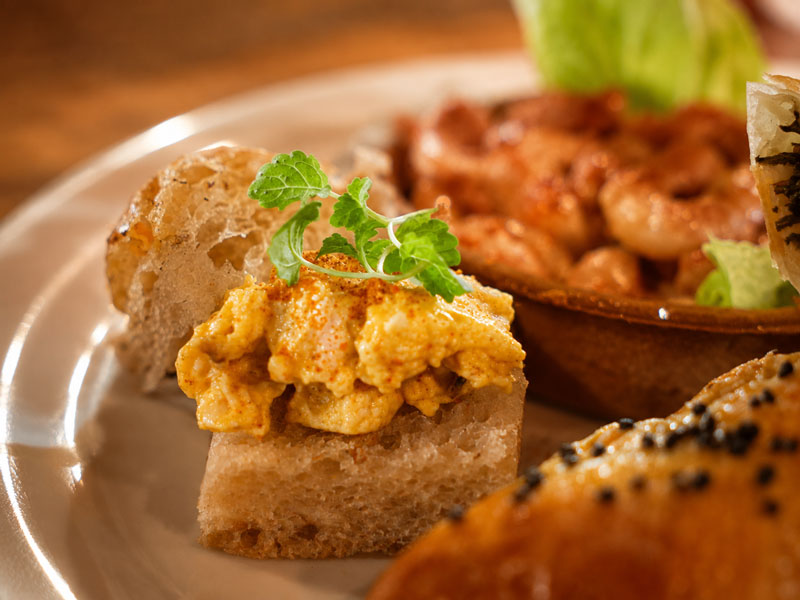
At Harbour House, we work with Bristol Pastry Kitchen to create our afternoon tea, inspired by our own heritage and hospitality. We serve it in a converted 19th-century transit shed on Bristol’s harbourside, a building from the same era as the tradition. It’s the perfect setting for a meal with such a rich story.
Enjoy a Slice of History in Bristol
Afternoon tea started with a Duchess and her hunger, but quickly became one of Britain’s favourite traditions. From Victorian drawing rooms to tea rooms and grand hotels, it has changed with the times but kept its charm. Today, it’s still a wonderful way to slow down and enjoy time with friends.
We serve afternoon tea from 12 to 5 pm, much as they would’ve done traditionally, Monday to Saturday. Book a table at Harbour House and enjoy a taste of history on Bristol’s Floating Harbour.


Leave a Reply