
Where Did the Sunday Roast Originate?
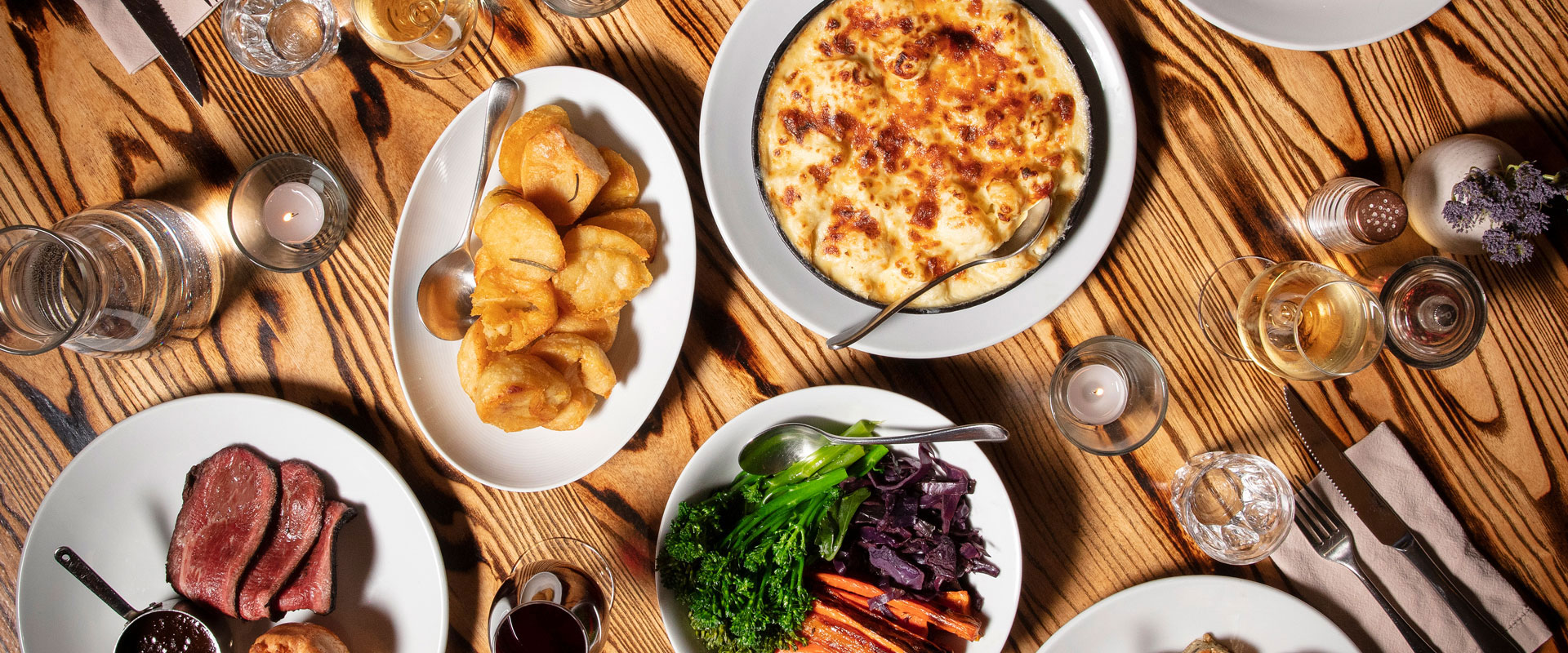
The Sunday Roast feels like it’s been around for as long as Britain has served food, but just how old is it? While everyone knows what goes into making this culinary classic: a combination of meats (or meat substitutes), vegetables, potatoes and gravy, completed with a beautiful, fluffy Yorkshire Pudding, not many know its interesting history.
This tradition goes back more than 500 years, passing through royal courts, busy towns and quiet villages. Changes in religion, technology and society all helped shape the Sunday roast we know today. Here, we’ll look at how the Sunday roast has changed from medieval firesides to today’s restaurant tables.
Where Did the Sunday Roast Come From?
Food historians say the Sunday roast began in the late 15th century, during King Henry VII’s reign. In 1485, he created his personal bodyguards, who became known for eating large amounts of roast beef. People started calling these Yeomen Warders “Beefeaters” because of how much meat they ate after Sunday church.
This upper-class habit of eating big pieces of roast meat soon spread beyond the royal palaces. Landowners roasted whole oxen over open fires to reward their workers after Sunday training.
While many people think of King Henry VIII with a roasted turkey leg in hand, this is a very modern anachronism. Turkeys didn’t arrive in Britain until the 1520s or 30s, late into his reign. He’d be more likely to be seen with a roasted goose than a turkey.
By the end of the Tudor era, having roast meat on Sundays was a common sign of wealth and celebration.
How Religion Played a Role in the Sunday Roast’s Origins
Christian customs shaped when and how people ate their weekend meals in medieval Britain. Strict rules meant people avoided meat on Fridays and ate fish instead. On Sunday, the fast ended so that families could enjoy dairy and fresh meat again.
Since many people went to church on Sunday mornings, families needed a meal that could cook slowly on its own while they were away at prayers. Families who didn’t have ovens at home used the local bakery instead. On their way to church, they would leave their meat at the bakery.
Sabbath laws stated that intense labour or strong fires couldn’t be used on the Sabbath so that bakers wouldn’t use their ovens for bread. This left it in a perfect situation for leaving it on low-and-slow, the perfect conditions for dropping off your roasting joint before church and picking it up after.
Did the Industrial Revolution Transform Sunday Roast History?
When industrial towns grew quickly in the 19th century, it changed how families cooked their weekend meals. Many workers lived in small homes without fireplaces, but local bakeries helped them keep their Sunday roast tradition even with few resources at home.
Later in the Victorian era, affordable cast iron stoves became more common in working-class homes. These coal stoves had built-in ovens so that families could roast meat at home. The Industrial Revolution made eating roast meat something everyone could enjoy, not just the wealthy.
How Has the Sunday Roast Changed Over Time?
Although roasting meat on Sundays is still the main idea, what goes on the plate has changed a lot. Changes in the economy, farming and world events have all affected what people serve for Sunday dinner.
To understand how this classic dish developed, we must look closely at each historical era. The meal underwent distinct changes over the last 500 years.
The 15th-18th Centuries: Open Fires and Dripping Puddings
Early Tudor and Stuart roasts were cooked on open spits over wood fires. Cooks hung large cuts of beef or mutton on iron spits, turning them for hours. The 16th century also saw the establishment of turkey as the traditional Christmas dinner meat. It would still be a while before other poultry became standard for Sundays.
Batter puddings appeared in the 18th century as a way to catch the valuable fat dripping from roasting meat. Cooks first called these dishes ‘dripping puddings’ before regional recipes made the name Yorkshire pudding popular.
Kitchens served these fluffy batter puddings as a cheap first course with rich gravy. Filling diners with batter meant families ate less expensive meat during the main meal.
The 19th Century and Victorian Innovations
Victorian advances in farming made good-quality beef, pork and mutton widely available in growing cities. Range stoves let home cooks roast meat and root vegetables together in one oven. Potatoes roasted in animal fat became the staple, served with boiled seasonal vegetables like cabbage and turnips.
The mid-Victorian period also introduced the classic pairing of sweet or herbal sauces with certain roasted meats. Mint sauce went with spring lamb, apple sauce with roast pork and a fiery horseradish with roast beef.
The 20th Century: War Rationing and Post-War Shifts
The early 20th century saw big changes in British dining habits, largely due to the two World Wars. Food rationing in the 1940s made fresh beef, butter, eggs and cooking fats hard to get. Households relied on cheap offal cuts, mutton and boiled potatoes while luxury items stayed strictly rationed.
After the war, the 1950s brought back traditional meat joints and roasted potatoes to British family tables. The 1950s also saw a rise in popularity for poultry, especially chicken, as a staple of the Sunday Roast plate.
In the late 20th century, commercial convenience foods, pre-made gravies and frozen Yorkshire puddings became common. Restaurants and pubs started serving delicious Sunday roasts and indulgent carveries as pub culture grew quickly in the 1980s.
The Modern Era: Gastropubs and Plant-Based Twists
Today, pub kitchens have turned the traditional Sunday roast into a refined culinary experience. Chefs focus on using top-quality regional meats, organic seasonal vegetables and rich, homemade gravies. You can check out our full menu to see how we balance traditional recipes with modern standards.
Dietary preferences have also broadened what counts as a traditional weekend meal. Today’s tables often include tasty vegetarian nut roasts, mushroom Wellingtons and roasted celeriac steaks as mains alongside classic meats. You can read our guide to learn more about what goes into a Sunday roast.
Why the Sunday Roast Remains a British Cultural Icon
The story of the Sunday roast reflects over five centuries of British history. It’s a legacy of social, historical and even religious change. Beyond its history, it’s a national treasure because its legacy endures. It continues to bring people together, to slow things down and create a moment of serenity in our otherwise busy schedules.
British hospitality venues keep this centuries-old tradition alive for today’s diners every weekend. Eateries like Harbour House use high-quality local ingredients and honour the heritage behind every dish. You can try our Sunday roast, which we believe to be the best in Bristol, to experience this tradition by the waterfront.
If you’d like to enjoy an authentic Sunday roast, visit us at Harbour House. Contact us to book your table and enjoy a memorable meal by the harbour.
Leave a Reply